
How to treat plantar warts on foot. Effective Treatments for Plantar Warts: From Home Remedies to Professional Care
How to identify plantar warts. What are the most effective over-the-counter treatments for plantar warts. Can home remedies like duct tape remove plantar warts. When should you seek professional medical care for plantar wart removal. What professional treatments are available for stubborn plantar warts.
Understanding Plantar Warts: Causes and Symptoms
Plantar warts are a common foot condition that affects many individuals. These warts occur on the bottom of the feet and are caused by the human papillomavirus (HPV). While usually harmless, plantar warts can cause significant discomfort, especially when they develop in weight-bearing areas of the foot.
Do plantar warts always require treatment. In many cases, plantar warts will resolve on their own without intervention. However, this process can take anywhere from a few weeks to a couple of years. For those experiencing pain or discomfort, or for aesthetic reasons, various treatment options are available.

Identifying Plantar Warts
How can you distinguish a plantar wart from other foot lesions. Plantar warts typically appear as small, rough growths on the soles of the feet. They may have tiny black dots in the center, which are actually small blood vessels. Unlike corns or calluses, plantar warts may be painful when squeezed from the sides.
Over-the-Counter Treatments for Plantar Warts
For those looking to treat plantar warts at home, several over-the-counter options are available. These treatments can be effective for many cases of plantar warts, though they may require consistent application over several weeks or months.
Salicylic Acid: A Popular First-Line Treatment
Salicylic acid is one of the most common and effective over-the-counter treatments for plantar warts. It works by gradually peeling away the infected skin, allowing new, healthy skin to grow in its place.
- Available in gels, liquids, and patches
- Concentrations range from 17% to 40%
- Higher concentrations are suitable for thicker skin
- Lower concentrations are better for sensitive areas
How should you apply salicylic acid for optimal results. Follow these steps:

- Soak the affected area in warm water for 15 minutes to soften the skin
- Gently remove dead skin using a pumice stone or emery board
- Rinse and dry the area thoroughly
- Apply the salicylic acid product, avoiding surrounding healthy skin
- Allow the product to dry before covering with socks or shoes
- Repeat this process once or twice daily
How long does salicylic acid treatment typically take. Treatment duration can vary, but it may take up to three months for the wart to disappear completely. To prevent recurrence, continue treatment for an additional week or two after the wart appears to be gone.
Cryotherapy: Freezing Warts at Home
Another over-the-counter option for plantar wart removal is cryotherapy, which involves freezing the wart. These products typically contain a mixture of dimethyl ether and propane.
Is at-home cryotherapy as effective as professional treatments. While not as potent as liquid nitrogen used by healthcare providers, over-the-counter freeze sprays can be effective for smaller warts. It’s crucial to follow the package instructions carefully to avoid skin damage.

Home Remedies: The Duct Tape Method
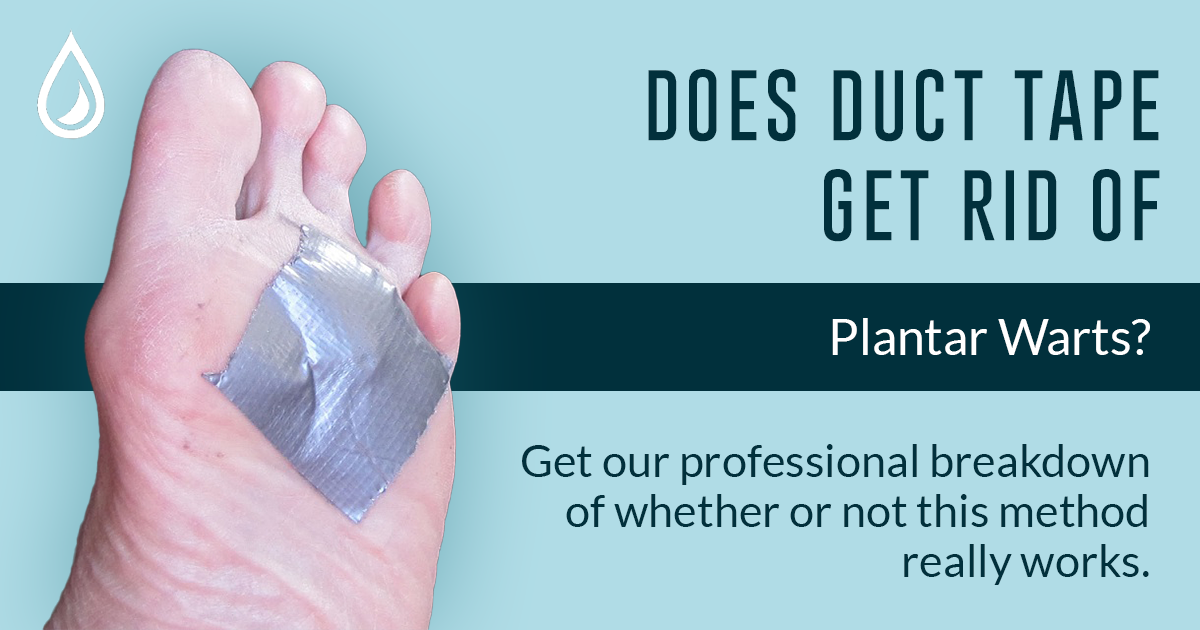
While scientific evidence is mixed, some individuals have found success using duct tape to remove plantar warts. This method involves covering the wart with duct tape for extended periods, potentially suffocating the wart or gradually removing the infected skin.
How do you use duct tape to treat plantar warts. Follow these steps:
- Soak the wart in warm water for 15 minutes
- Gently file the wart with an emery board or pumice stone
- Rinse and dry the area thoroughly
- Apply a piece of silver duct tape over the wart, extending beyond its edges
- Leave the tape on for up to a week, replacing if it falls off
- After 6-7 days, remove the tape and soak and file the wart again
- Leave the wart uncovered overnight
- Reapply tape the next day and repeat the process until the wart disappears
Can you combine duct tape with other treatments. Some individuals have found success using duct tape in combination with salicylic acid treatments, potentially enhancing the effectiveness of both methods.
Myths and Misconceptions About Plantar Wart Removal
There are several common misconceptions about plantar wart removal that can lead to ineffective or even harmful practices.
The Danger of DIY Wart Removal
Is it safe to remove a plantar wart with tweezers. Attempting to pull out a plantar wart with tweezers is not recommended. This method is extremely painful and unlikely to remove the entire wart, increasing the risk of regrowth. Moreover, it can lead to serious infections.
Can you cut off a plantar wart at home. Never attempt to cut off a plantar wart yourself. This can cause severe pain, bleeding, and increase the risk of infection. If you desire complete wart removal, consult a healthcare professional.
Professional Treatments for Stubborn Plantar Warts
When over-the-counter treatments and home remedies fail to resolve plantar warts, or for those who prefer immediate professional care, several medical interventions are available.
Cryotherapy: Professional Freezing
How does professional cryotherapy differ from at-home freezing treatments. Healthcare providers use liquid nitrogen, which is much colder than over-the-counter freeze sprays. This method involves applying liquid nitrogen to the wart and surrounding area, effectively killing the virus-infected cells.
What should you expect during and after cryotherapy treatment. The procedure can be painful and may cause redness and blistering. Multiple treatments, typically spaced 2-3 weeks apart, are often necessary for complete wart removal.
Electrodessication: Zapping and Cutting
Electrodessication, also known as cautery and curettage, is another professional treatment option for plantar warts. This method involves drying the wart with an electric needle and then removing it with a curette, a small scoop-like instrument.
Are there any drawbacks to electrodessication. This treatment typically leaves scarring and is not generally recommended for plantar warts due to the sensitive nature of the skin on the soles of the feet.
Laser Therapy: Advanced Wart Removal
For particularly stubborn plantar warts, laser therapy may be recommended. This treatment uses focused light energy to destroy the blood vessels feeding the wart, causing it to die and eventually fall off.
How effective is laser therapy for plantar warts. While generally effective, laser therapy may require multiple sessions and can be more expensive than other treatment options. It’s typically reserved for cases where other treatments have failed.
Preventing Plantar Wart Recurrence
After successfully treating plantar warts, taking steps to prevent their recurrence is crucial. The HPV virus that causes plantar warts thrives in warm, moist environments, making prevention an important part of foot care.
Hygiene and Protection
How can you reduce the risk of developing plantar warts. Consider these preventive measures:
- Keep feet clean and dry
- Wear sandals or water shoes in public showers, locker rooms, and pool areas
- Avoid walking barefoot in public spaces
- Don’t share towels, socks, or shoes with others
- Change socks daily, especially if your feet tend to sweat
- Use breathable footwear to reduce moisture
Is it possible to build immunity against plantar warts. While not guaranteed, some individuals may develop immunity to the specific strain of HPV that caused their plantar warts, potentially reducing the risk of future occurrences.
When to Seek Medical Attention for Plantar Warts
While many plantar warts can be treated effectively at home, there are situations where professional medical care is advisable.

When should you consult a healthcare provider about plantar warts. Consider seeking medical attention if:
- The wart is extremely painful or interferes with daily activities
- Home treatments have been ineffective after several weeks
- The wart is spreading or multiplying
- You have diabetes or a weakened immune system
- You’re unsure if the growth is actually a wart
- There are signs of infection, such as increased pain, redness, or discharge
Can plantar warts indicate other health issues. In rare cases, persistent or numerous plantar warts might be a sign of a weakened immune system. If you’re concerned about recurring or multiple warts, consult your healthcare provider for a thorough evaluation.
The Role of Immunotherapy in Plantar Wart Treatment
For particularly stubborn or recurring plantar warts, immunotherapy may be considered. This approach aims to stimulate the body’s immune system to fight the HPV infection causing the warts.
Types of Immunotherapy for Plantar Warts
How does immunotherapy work for plantar warts. There are several methods:
- Topical immunomodulators: Creams or ointments that stimulate local immune response
- Intralesional immunotherapy: Injections of substances like Candida antigen to trigger an immune response
- Systemic immunomodulators: Oral medications that boost overall immune function
Is immunotherapy effective for all cases of plantar warts. While immunotherapy can be highly effective, especially for recalcitrant warts, it’s typically reserved for cases where other treatments have failed. The success rate varies, and multiple treatments may be necessary.
Natural Remedies and Complementary Therapies for Plantar Warts
In addition to conventional treatments, some individuals explore natural or alternative remedies for plantar warts. While scientific evidence for these methods is often limited, some people report success with these approaches.
Apple Cider Vinegar
How might apple cider vinegar help with plantar warts. Some believe the acidity of apple cider vinegar can help kill the virus and remove the wart. To try this method:
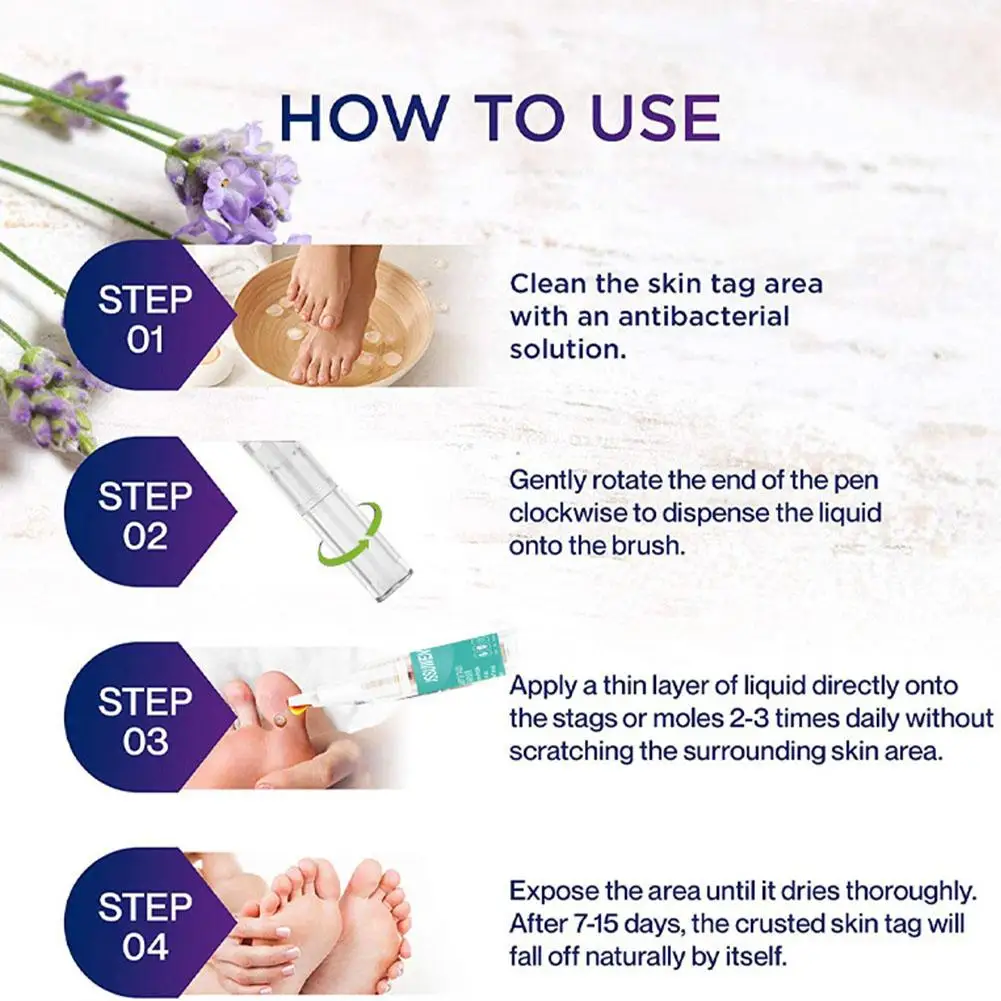
- Soak a cotton ball in apple cider vinegar
- Apply it to the wart and secure with a bandage
- Leave overnight and repeat daily
Is apple cider vinegar treatment scientifically proven. While anecdotal evidence exists, there’s limited scientific research supporting this method. Use caution, as the acidity can irritate skin.
Tea Tree Oil
Tea tree oil is known for its antiviral properties, which some believe can help combat plantar warts. To use tea tree oil:
- Dilute tea tree oil with a carrier oil like coconut oil
- Apply the mixture to the wart using a cotton swab
- Cover with a bandage and repeat daily
Are there any risks associated with using tea tree oil. While generally safe when used topically, some individuals may experience skin irritation. Always perform a patch test before applying to a larger area.
The Psychological Impact of Plantar Warts
While plantar warts are a physical condition, they can also have psychological effects on those who suffer from them. Understanding and addressing these impacts is an important part of comprehensive care.
Emotional and Social Effects
How can plantar warts affect a person’s quality of life. Some individuals may experience:
- Embarrassment or self-consciousness about the appearance of their feet
- Anxiety about spreading the warts to others
- Frustration with persistent or recurring warts
- Limitations in activities due to pain or discomfort
What strategies can help cope with the psychological impact of plantar warts. Consider these approaches:
- Educate yourself about the condition to reduce anxiety
- Seek support from friends, family, or support groups
- Focus on treatment and prevention to feel proactive
- Practice self-care and stress-reduction techniques
- Consult a mental health professional if the impact is significant
Advances in Plantar Wart Research and Treatment
The field of dermatology continues to evolve, with ongoing research into more effective and less invasive treatments for plantar warts. Staying informed about these developments can provide hope and new options for those dealing with persistent warts.

Emerging Treatments
What new approaches are being explored for plantar wart treatment. Some promising areas of research include:
- Photodynamic therapy: Using light-sensitive drugs and specific wavelengths of light to destroy wart tissue
- Nanotechnology: Developing nanoparticles to deliver antiviral agents directly to infected cells
- Gene therapy: Exploring ways to inhibit viral replication at the genetic level
- Combination therapies: Investigating synergistic effects of multiple treatment modalities
How might these advances change the landscape of plantar wart treatment. As research progresses, we may see more targeted, efficient, and less invasive treatment options becoming available, potentially reducing treatment time and improving outcomes for patients with stubborn plantar warts.
The Role of Podiatrists in Plantar Wart Care
While general practitioners can treat plantar warts, podiatrists specialize in foot conditions and may offer more specialized care for persistent or complex cases.
Specialized Care and Treatment Options
What unique perspectives do podiatrists bring to plantar wart treatment. Podiatrists can offer:
- Comprehensive foot assessments to rule out other conditions
- Specialized equipment for precise treatment
- Expert knowledge of foot biomechanics and how they affect wart development
- Custom treatment plans considering individual foot structure and lifestyle
When should you consider seeing a podiatrist for plantar warts. Consider consulting a podiatrist if:
- Your warts are persistent or recurring
- You have multiple warts or clusters
- The warts significantly affect your gait or daily activities
- You have other foot conditions that complicate treatment
- You’re an athlete or have high physical demands on your feet
By offering specialized care and a deep understanding of foot health, podiatrists can play a crucial role in managing stubborn plantar warts and preventing their recurrence.
How to get rid of plantar warts
Plantar warts are warts that occur on the bottoms of the feet.
While plantar warts are almost always harmless, they can be very painful if they occur in a spot on the foot that supports your weight. Plantar warts are very common, and they typically go away on their own. However, although some plantar warts disappear in a couple weeks or months, it can take as long as a couple of years for them to go away.
If you have plantar warts and want them removed, you have a number of options for treating them at home, or you can visit your healthcare provider for plantar wart removal. Here’s what you need to know about getting rid of plantar warts.
Over-the-counter wart treatments
There are wart treatments that are available over the counter for home use.
- Salicylic acid is available in a number of over-the-counter plantar wart removal products, including gels, liquids and patches. These range in concentration from 17% to 40%.
 For warts on thick skin, use a product with a higher concentration, and for those on thinner, more sensitive skin, use a lower concentration.
 For warts on thick skin, use a product with a higher concentration, and for those on thinner, more sensitive skin, use a lower concentration.
To remove warts with salicylic acid:
- Soak the plantar wart in water for 15 minutes to soften it.
- Use a pumice stone or emery board to remove the top layer of dead skin.
- Rinse and thoroughly dry the wart.
- Apply the salicylic acid product to the wart. Try to avoid getting it on the surrounding skin. Allow the product to dry before putting on shoes or socks.
- Repeat these steps once or twice a day until the wart goes away.
It can take as long as three months for the wart to go away. Once the wart is gone, continue treatment for another week or two to help prevent it from growing back.
- Freeze sprays are another over-the-counter option for plantar wart removal. These products typically contain a mix of dimethyl ether and propan. The product is briefly applied to the surface of the wart to freeze it. When using this cryotherapy method, it is important to follow the instructions on the package carefully to avoid burning the skin.
 When using this cryotherapy method, it is important to follow the instructions on the package carefully to avoid burning the skin.
Home remedies for warts
While using duct tape isn’t a highly researched remedy for plantar warts, the studies that have been done show mixed results. Still, anecdotal evidence shows that for some people, duct tape is a tried-and-true wart remedy, and it’s worth a try if you’re not too keen on having to apply salicylic acid to the wart every day. Scientists aren’t sure why duct tape works, but some suspect it may suffocate the wart—or simply remove the skin and virus in layers until the wart disappears.
To treat a wart with duct tape, choose the classic silver variety, which is stickier than other types. Follow these steps:
- Soak the wart for 15 minutes.
- Gently file the wart with an emery board or pumice stone.
- Rinse and thoroughly dry the wart.
- Place a piece of duct tape directly over the wart so that it extends beyond the perimeter of the wart. Press firmly to create a strong bond.
- Leave the duct tape on for up to a week. If it falls off, replace it.
- On the sixth or seventh day, remove the duct tape, soak and file the wart, and leave it uncovered overnight.
- The next day, reapply the tape, and repeat the same process until the wart disappears.
 Press firmly to create a strong bond.
Some people remove warts with salicylic acid treatment combined with a duct tape patch.
Can you pull out a plantar wart with
tweezers?
No, never try pulling out plantar warts with tweezers. Pulling out a plantar wart yourself is extremely painful, and it’s unlikely that you’ll get all of it. This means it’s more likely that it’ll grow back. Pulling out plantar warts with tweezers can also lead to a serious infection.
Can you cut off a plantar wart?
No, never attempt to cut off a plantar wart at home. If you want your wart completely removed, visit your healthcare provider.
Plantar wart treatment by your
healthcare provider
For complete plantar wart removal, visit your healthcare provider, who will use one of a few effective methods for getting rid of plantar warts, including:
Cryotherapy. One of the most commonly used plantar wart removal methods involves freezing them off, a procedure known as cryotherapy. To freeze plantar warts, your healthcare provider will swab or spray liquid nitrogen onto the wart and a small area surrounding the wart. The liquid nitrogen is extremely cold and burns the skin, killing the virus-infected cells. Freezing plantar warts is painful and causes redness and, in some cases, blisters. It typically takes several treatments spaced two to three weeks apart to freeze plantar warts completely off.
Electrodessication. Also known as zapping and cutting or cautery and curettage, electrodessication involves drying the wart with an electric needle and using a small, scoop-like instrument called a curette to dig out the wart. Electrodessication typically leaves scarring, and it’s not generally recommended for plantar warts unless they don’t respond to other treatments.
Other plantar wart treatment methods
Other options your healthcare provider might recommend for plantar wart removal include:
- Cutting the wart out with a scalpel, which produces similar results as electrodessication, including possible scarring.
- Prescription drugs like topical imiquimod, an immunotherapy drug, or topical fluorouracil, a chemotherapy drug. These are applied to the wart as a cream. The chemotherapy drug bleomycin is a plantar wart treatment medication that’s injected into the wart.
- Intralesional immunotherapy, which involves testing the patient for a positive reaction to skin test antigens for mumps, Candida or Trichophyton. If the test is positive, the wart is injected with the antigen, which causes an allergic response that breaks down the HPV virus to remove the wart.

If your plantar warts aren’t causing you pain or discomfort, you can let them go away on their own. But if they’re painful, itchy or bothersome, visit your healthcare provider for advice on plantar wart treatment. Many healthcare providers will recommend over-the-counter treatments first. If your wart doesn’t respond to these treatments, your healthcare provider will explain your options and help you decide which removal method is best for you.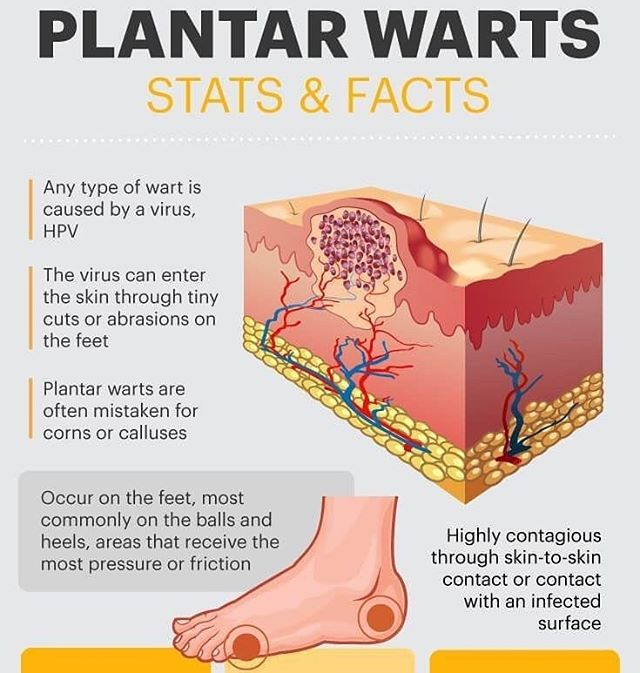
Published February 2022.
Sources:
- https://www.ncbi.nlm.nih.gov/books/NBK279586/
- https://www.health.harvard.edu/diseases-and-conditions/how-to-get-rid-of-warts
Plantar Wart Home Remedy: 7 Treatments
Plantar warts may go away on their own or with home remedies and over-the-counter products, such as salicylic acid.
Plantar warts occur from a viral infection in your skin called the human papillomavirus (HPV). This virus can enter damaged skin more easily, such as cuts, scrapes, or severely dry skin. Plantar warts are common on the soles of the feet.
These types of warts can be painful, and the resulting raised bumps uncomfortable. Plantar warts may also have tiny black spots that some people call “wart seeds.” These spots are actually blood vessels. While not necessarily harmful, plantar warts can grow and eventually make it uncomfortable to stand and walk.
It’s often possible to treat plantar warts at home, but it’s also important to know when you should see a doctor for medical treatment.
While plantar warts aren’t typically dangerous, you might want to get them removed due to discomfort and aesthetic reasons. Warts can get larger over time or spread to other areas. Most wart removal treatments will take several weeks, if not longer, according to the American Academy of Dermatology.
Duct tape
Some people claim you can get rid of plantar warts by using duct tape.
The evidence to support this method is mixed, according to experts. But even if it doesn’t help, using duct tape probably won’t cause harm. To try it, stick a small piece of tape over the wart, and then change the tape every few days.
The idea behind duct tape for warts is that it could help “peel away” the layers of the wart. In theory, the wart could eventually peel completely away. But it’s not known if duct tape really works this way.
Salicylic acid
Salicylic acid is a type of beta hydroxy acid often used in acne treatment. It works by removing dead skin cells, which can sometimes clog your pores.
Higher concentrations of salicylic acid can be found in over-the-counter (OTC) wart creams treatments. These products shed the skin around the wart little by little, until it’s eventually cleared up completely.
To get the most out of this treatment, you’ll need to apply the salicylic acid product on your plantar warts according to the instructions on the packaging, and continue the treatment for as long as directed.
Some products may advise you to to prep the skin by soaking the affected area in warm water before applying the acid.
It can take several weeks of treatment for the warts to completely go away.
OTC freezing sprays
Aside from salicylic acid, you can also buy “freezing sprays” at the drugstore for plantar warts. The spray works by creating a small blister-like injury that may help destroy the wart. This is different from the cryotherapy wart treatments that are available at a doctor’s office.
To use freezing spray, carefully follow the instructions on the packaging. You might have to repeat the process several times to kill the wart. Check the instructions to see if it’s safe to do so. If OTC treatment doesn’t get rid of the wart, talk with your doctor about other treatment options.
Iodine
Iodine is an essential mineral that’s most often associated with thyroid health. But certain formulations can be used for other purposes too — this may include wart removal.
One small study found that a povidone-iodine topical solution helped clear up warts after twice-daily applications over the course of 12 weeks.
Researchers are conducting clinical trials to test povidone-iodine’s safety and effectiveness for wart treatment. In the meantime, you should only use povidone-iodine for warts under a doctor’s supervision.
Tea tree oil
Tea tree oil has historically been used as a topical antiseptic. It’s primarily used for fungal infections, wounds, and acne.
One case report from 2008 found that tea tree oil successfully removed warts on a person’s hand when applied once daily for 12 days. While this single report is promising, much more research is needed before experts can recommend this approach.
Tea tree oil can cause irritation or contact dermatitis for some people. If you use topical products containing tea tree oil, stop using them if you notice a rash or other symptoms.
Apple cider vinegar
Apple cider vinegar continues to be studied for a wide range of health claims. It contains a type of acid called acetic acid. Some older reports suggest that concentrated acetic acid can be used to treat warts. However, these treatments took place in a clinic with careful medical management.
The amount of acetic acid found in apple cider vingar is much less than the acetic acid preparations used in these studies. There’s also no evidence to suggest that apple cider vinegar is safe or effective for treating warts.
Because undiluted apple cider vinegar can cause chemical burns, you should not apply it to your skin. All in all, this wart “remedy” is likely one to avoid.
Calluses are caused by repeated friction against the skin. These are most common on your hands and feet. With a callus, you may notice a flat area of thickened skin.
Calluses aren’t the same thing as plantar warts. However, sometimes the two look alike. It’s also possible to have plantar warts inside of a callus.
In some cases, you may be able to tell the difference by looking at the lines on your skin. With warts, you may see interrupted skin lines (your skin lines do not continue on the wart). With a callus, the skin lines are not interrupted.
Calluses can go away on their own when friction against the skin has stopped, such as when changing tight shoes for a better-fitting pair. The outer skin of the callus may also be cut off or filed away.
While plantar warts are caused by the HPV virus, there are other risk factors to consider. You might be at an increased risk of getting plantar warts if you:
- have a history of plantar warts
- are a child or a teenager
- have a weakened immune system
- frequently walk barefoot, especially in germ-prone areas like locker rooms
With the right precautions, plantar warts can often be prevented, even if you’re at a higher risk of developing them:
- Avoid touching warts, including your own.
- Wash your hands before and after touching a wart.
- Don’t pick at a plantar wart with your fingers.
- Avoid using the files and pumice stones you used on affected areas of skin for nonaffected areas.
- Don’t walk barefoot in public areas.
- Keep your feet clean and dry.
- Change your socks and shoes frequently.
Plantar warts that don’t go away or keep coming back despite home treatments should be looked at by a doctor. They can treat the warts in the office with cryotherapy or other treatments. They might also recommend prescription medications to help treat the wart.
For chronic plantar warts, your doctor may refer you to a foot specialist.
If you have any of the following conditions, see your doctor before starting a home wart treatment:
- diabetes
- a weakened immune system
- HIV or AIDS
- solid brown or black warts (these could be cancerous)
- plantar warts that change in color and size
- severe discomfort due to the warts
- changes in your gait
Plantar warts tend to go away eventually, and you may be able to treat them at home.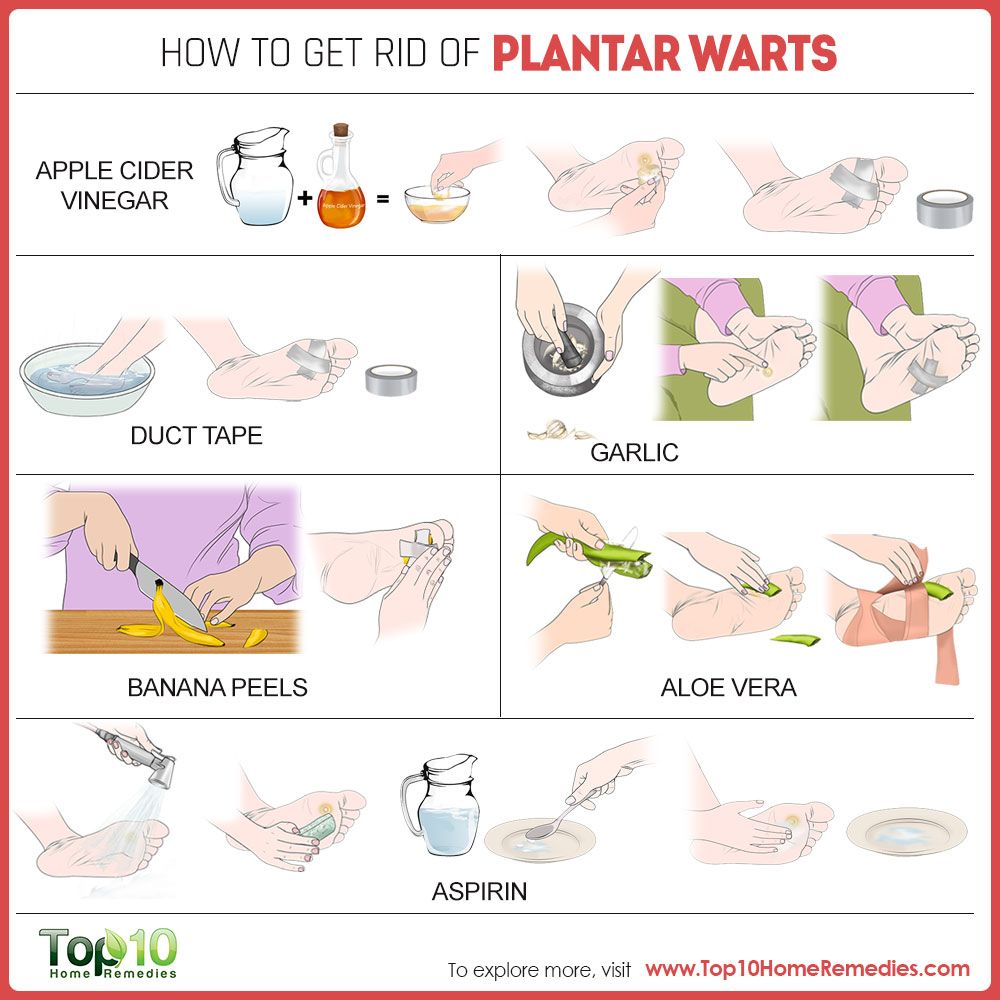
When in doubt, always ask a doctor for advice, especially if the plantar warts worsen or affect your daily mobility.
Plantar wart (spinal wart): causes and treatments
Plantar Warts is a type of wart that occurs on the soles of the feet and on the palms of the hands.
Of all skin warts, plantar warts occur in 30%. They are the ones most often removed.
The only cause is the human papillomavirus, HPV for short.
Scheme of infection: people scratched the skin. The virus enters the skin. Embedded in the genes of skin cells. The cell takes on ugly forms, becoming similar to tumor cells.
Caution: Some types of human papillomavirus can cause cervical dysplasia and cancer.
Infection with the type of HPV that causes warts occurs during childhood. Almost all children become infected with this virus – in kindergartens, at schools, in public places. But not everyone gets sick – it all depends on the immune system. In childhood, warts appear for the first time. Then the adult’s immune system copes with this virus. Therefore, in adults, warts on the skin rarely appear. And if an adult has spikes, this indicates a decrease in the activity of the immune system.
Entrance gates for the virus are injuries of the soles of the feet and palms: scratches, cuts, abrasions and calluses. Provoking factors – excessive sweating of the feet and wearing tight shoes, stress.
Main manifestation : hard, round formation on the palm or sole of the foot.
Main symptom : Pain when walking and itching around the wart.
Initial stage:
- a small callus appears,
- she itches,
- hurts when walking.
After 2-4 weeks:
- Rough surface appears in the center,
- often – black dots in the center, **
- along the edges – a small roller of keratinized skin.
Why?
- Why do spines appear on the palm and sole? Because the skin here is especially dense (unlike other parts of the body). And this type of HPV virus infects just such skin.
- Why does it hurt when walking? Because the spine grows inward. When walking, the weight of the body presses on the wart and it compresses the pain receptors.
- Why is itching? Because the ugly cells of the plantar wart on the foot and palm press on neighboring skin receptors, which leads to itching.
- Why black dots? This is the result of blockage of blood vessels in the thickness of the wart on the foot or on the palm.
Dimensions – 3 -10 mm. At the same time, they rise above the surface of the skin by only 1-2 mm, because they grow inward and in breadth.
Child warts may appear nearby. They merge with the mother and form a painful conglomerate. This is a clear indicator of a decrease in immunity. And this often requires medical treatment.
Methods of treatment:
In 90% of people, a plantar wart goes away without treatment at an early stage. The immune system suppresses the virus and heals the skin.
The time of self-healing depends on the stage of the process: from 2 weeks to 1.5 years.
When should a thorn be treated?
- if it hurts a lot,
- if it interferes with walking,
- if grown to a large size,
- if children appear nearby.
How and with what to treat warts on the feet?
Removal – a treatment that is successful in 98% of patients
Drug removal
Local necrotizing agents are used for this purpose.
Solcoderm, vartoks, duofilm, kollomak, super celandine and others
They contain acids or alkalis. Removal of plantar warts (thorns) occurs through a chemical burn of the skin. The wart is dying.
And in this place there is an inconspicuous scar.
The treatment time is long: an average of 14-20 days).
The probability of recurrence (reappearance at the same place) is very high.
Instrument removal
- Laser.
Your wart will be vaporized by the laser. In this place you will have a deep wound. The wound will heal in 10-14 days.
Disadvantages of the method: deep wound after removal. Rough scarring.
- Liquid nitrogen.
Deep freezing of tissue occurs. A bubble forms. It will hurt a lot and then hurt more!! Heals 14 days.
Disadvantages of the method: Severe pain during removal and after removal. Prolonged healing. Rough scar.
- Radio wave radiation (device “Surgitron”).
The same effect as from the laser – tissue evaporation. And only a deepening-wound will remain from the wart.
Advantages of the method:
Nearby vessels are coagulated, forming a dense crust at the site of the neoplasm, so the removal is performed without damage to the vessels and does not cause even the slightest blood loss.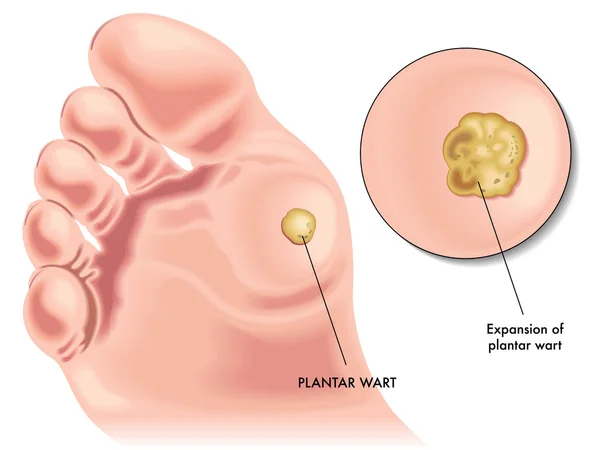
The crust disappears on its own after 7-10 days. In its place is an inconspicuous scar.
The wart is burned out with an electrocoagulator. This is the same scalpel, only electric. It is now rarely used in large clinics.
Prevention is the foundation of the foundations
- Wearing loose shoes.
- Treatment of excessive sweating of the feet.
- Treatment of injuries, scratches and cuts on the feet.
- A healthy lifestyle and strengthening the immune system is the prevention of viral diseases, including the HPV virus.
plantar wart wart removal spine
Please enable JavaScript to view comments.
Plantar wart – treatment and removal of warts
Life with a plantar wart is a torment: it is impossible to stand or walk. And it’s scary to go to the doctor – the removal is very painful, and the wound after such a procedure heals for a long time. And only recently, dermatologists have a gentle way to deal with this problem.
Whatever people came up with in search of a way to get rid of plantar warts. They rubbed them with potatoes or garlic, tied the meat to the wart. The use of “burning” products at home is often ineffective and can lead to the appearance of rough scars. In general, anyone who has ever tried to get rid of a plantar wart on their own knows that everything is useless, you cannot do without a doctor.
IMPORTANT! Information from the article cannot be used for self-diagnosis and self-treatment! Only a doctor can prescribe the necessary examinations, establish a diagnosis and draw up a treatment plan for a consultation!
What is a plantar wart?
A plantar wart is nothing like the ones you see on the body. Why do they appear, as if from nowhere? There was nothing on the sole of the foot and suddenly you can’t walk.
Any warts are skin neoplasms, the development of which is provoked by human papillomavirus (HPV) . That is, a wart is a viral disease that needs to be treated systemically.
You can become infected with HPV through contact with an infected person or through household items, especially if a person has weakened immunity, both general and local. The virus most easily penetrates the skin through microtraumas and skin soaked in water (maceration), so often the most unpleasant – plantar – warts appear in those who visit the pool or gym.
Warts are different:
- vulgar (translated from Latin – ordinary),
- flat,
- plantar
- genital warts.
Of course, warts do not color anyone, so their owners try to get rid of a cosmetic defect. But the pain is delivered, as a rule, plantar. Outwardly, they look like corns and occur more often on the skin of the soles – in places of pressure and friction.
Usually the skin thickens there due to increased keratinization. When pressure is applied to plantar warts, the pain can be so intense that patients compare it to a “nail in a boot. ”
”
Treatment of a plantar wart at home
Drugs are sold in pharmacies, the instructions for which say that the indication for use is plantar warts. But, removing warts at home is undesirable, because it is often ineffective and can cause complications.
Most home remedies are strong solutions of alkalis or acids. When using them, the occurrence of a deep long-healing burn and the development of a rough scar are possible 0008 . With insufficient exposure, warts reappear. In addition, infection of the wound and the development of purulent complications are possible.
The method of treatment must be chosen by the physician . And the application of any destructive drugs should also be carried out by a doctor or take place under his supervision.
Removal of plantar warts
How this is done is up to the doctor. It is possible to minimize the risk of recurrence (relapse) of the wart with the help of complex therapy. Despite the fact that today there are no drugs that completely kill the human papillomavirus in the body, many patients need antiviral therapy. In addition, the formed wart must be removed. For the destruction (destruction) of warts, a laser, liquid nitrogen, cauterizing, keratolytic and mummifying agents can be used.
Laser removal of large warts is often more effective than liquid nitrogen removal. Before laser destruction, the plantar wart is chipped with an anesthetic, which is a rather painful procedure. During laser destruction, in addition to the destruction of the formation itself, thermal heating (burning) of the surrounding tissues occurs, which, on the one hand, damages the virus, and on the other hand, leads to some inflammation around the removed wart. Wounds on the skin of the soles do not heal quickly, as there is constant pressure on the damaged area when walking. In addition, wound healing can be complicated by the addition of a bacterial infection, especially with excessive sweating of the legs.